
Our Story
The very first “Moo” we uttered, even before we could form complete words, might have been our first little connection with a cow.
In India, cows have never been merely milk producers. They have lived alongside us, in our homes, our fields, our stories and our memories. They have been a part of the rhythm of agrarian life for generations. Perhaps, that was why the tradition of endowing respect and dignity to our cows is so culturally rooted in all the regions of India going by different names but the emotion and reverence remain the same.
Nilam Ethno Development Trust is a public charitable trust registered under the Indian Trust Act, 1882 with Registration No: 41/2026. Based in Kadavur Village, M. Chathrapatti Post, Madurai District, Tamil Nadu, India.
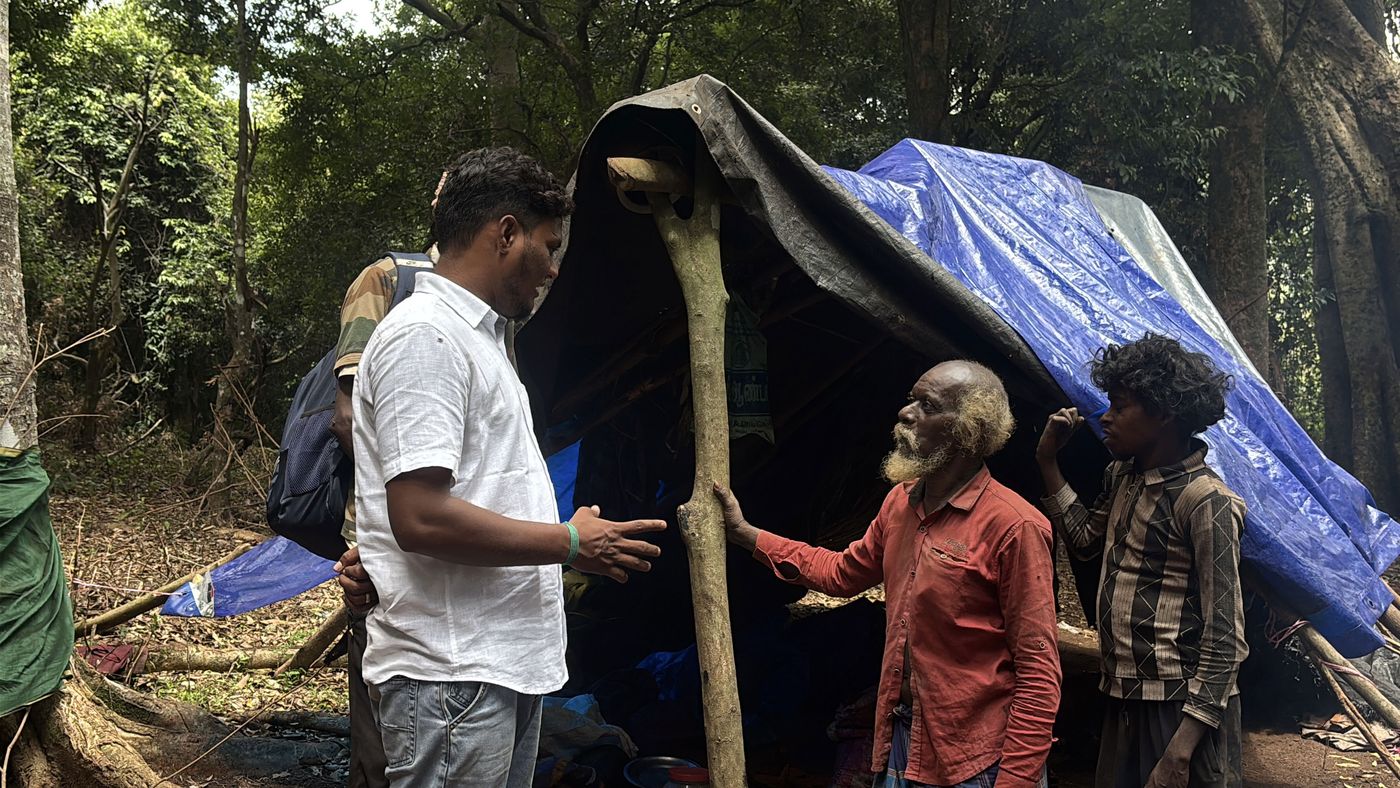
Beginning of Nilam
And yet, we began to see something that troubled us deeply.
Healthy cattle, the animals who had lived for years, who had served families and farms, were being sent towards slaughter simply because their milk production had declined.
We could not stop asking:
Does a life's worth depend only on what it produces for us?
That question became the beginning of Nilam. A compassionate refuge for indigenous cows is how we started. We wanted to ensure that they can live out their natural lives with care & dignity.
Rescue to Relationship
A cow is not separate from the life of a family. She can be part of food, farming, soil, livelihood and daily life. She can contribute to a household while the household cares for her.
“Perhaps the answer is not simply to rescue what has been discarded. Perhaps the answer is to rebuild the relationships that once gave it a place.”
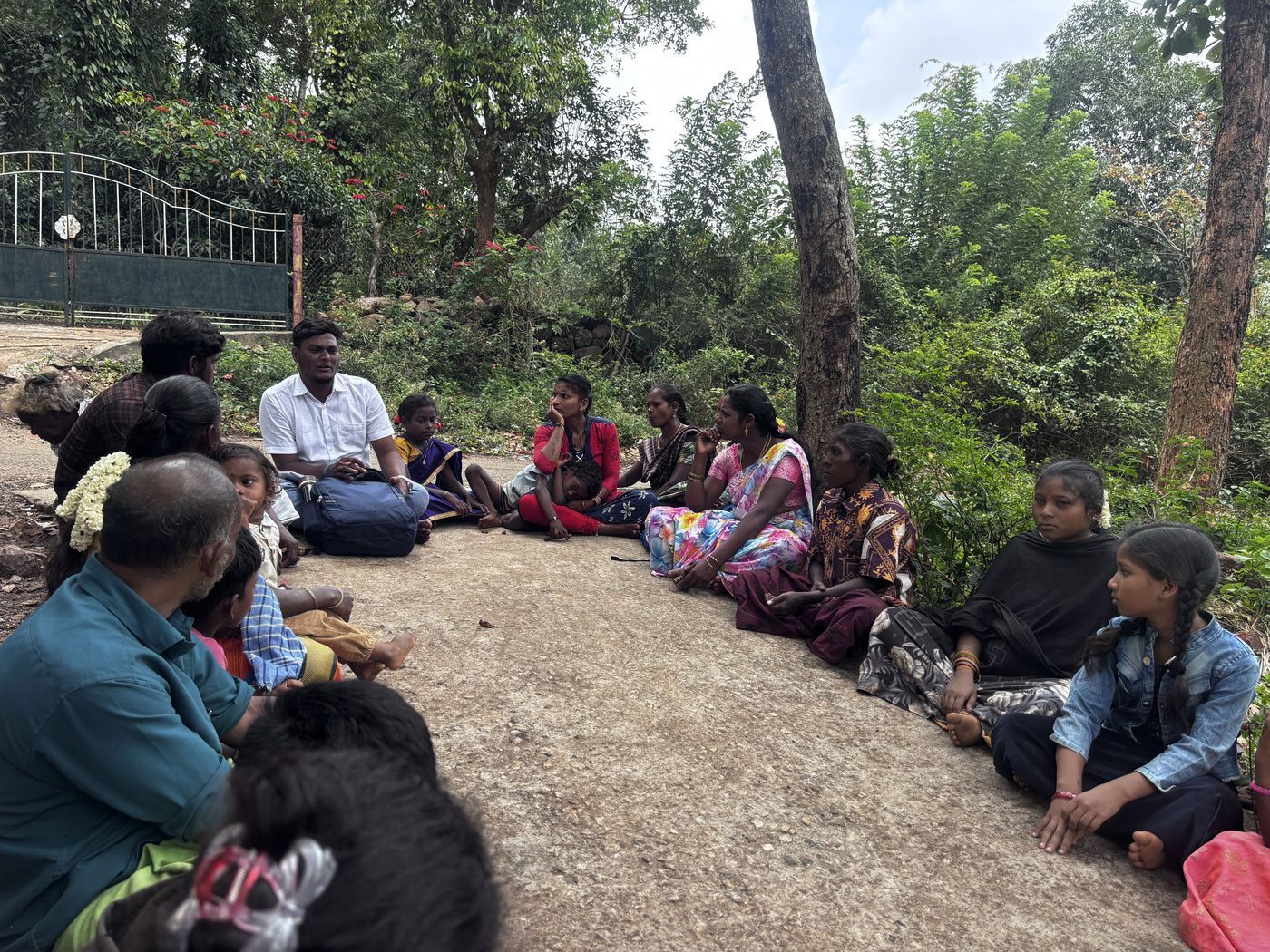
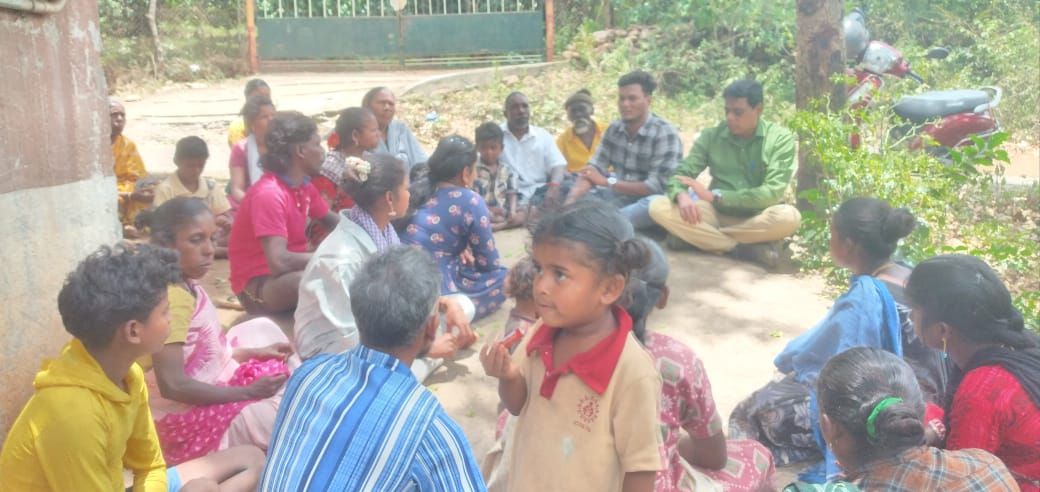
Then came the godsend solution in the guise of communities who were long seeking for the right companions to reconnect to their own roots. We were able to identify a cohort of tribes from Alagar Kovil, skilled in indigenous practices and abundant feed possibilities beyond conventional methods, thinking or boundaries, with whom the cows found their deserving place.
Cows to Communities
Once we ask the question of the cow, it becomes difficult not to ask it elsewhere,
What happens to communities whose knowledge is no longer considered useful?
What happens to traditional skills when modernisation leaves no place for them?
What happens to indigenous practices when they are treated as remnants of the past?
“Something has not necessarily lost its value. We may simply have stopped seeing it.”
This is why Nilam's work extends beyond cattle. We work towards creating possibilities for communities whose knowledge, traditions and livelihoods have too often been pushed to the margins.
“What has been handed down does not have to be left behind. It can renew, evolve, find new relevance & thrive!”
Nilam's role is to recognise that value, strengthen it, connect it and create the conditions for it to thrive.
The Value Was Already There
- In the cow.
- In the soil.
- In the community.
- In traditional knowledge.
- In the hands of a woman practising a skill inherited from her mother.
- In the relationship between a family and an animal.
Our Approach
“What happens when we learn to see value differently?”
Listen
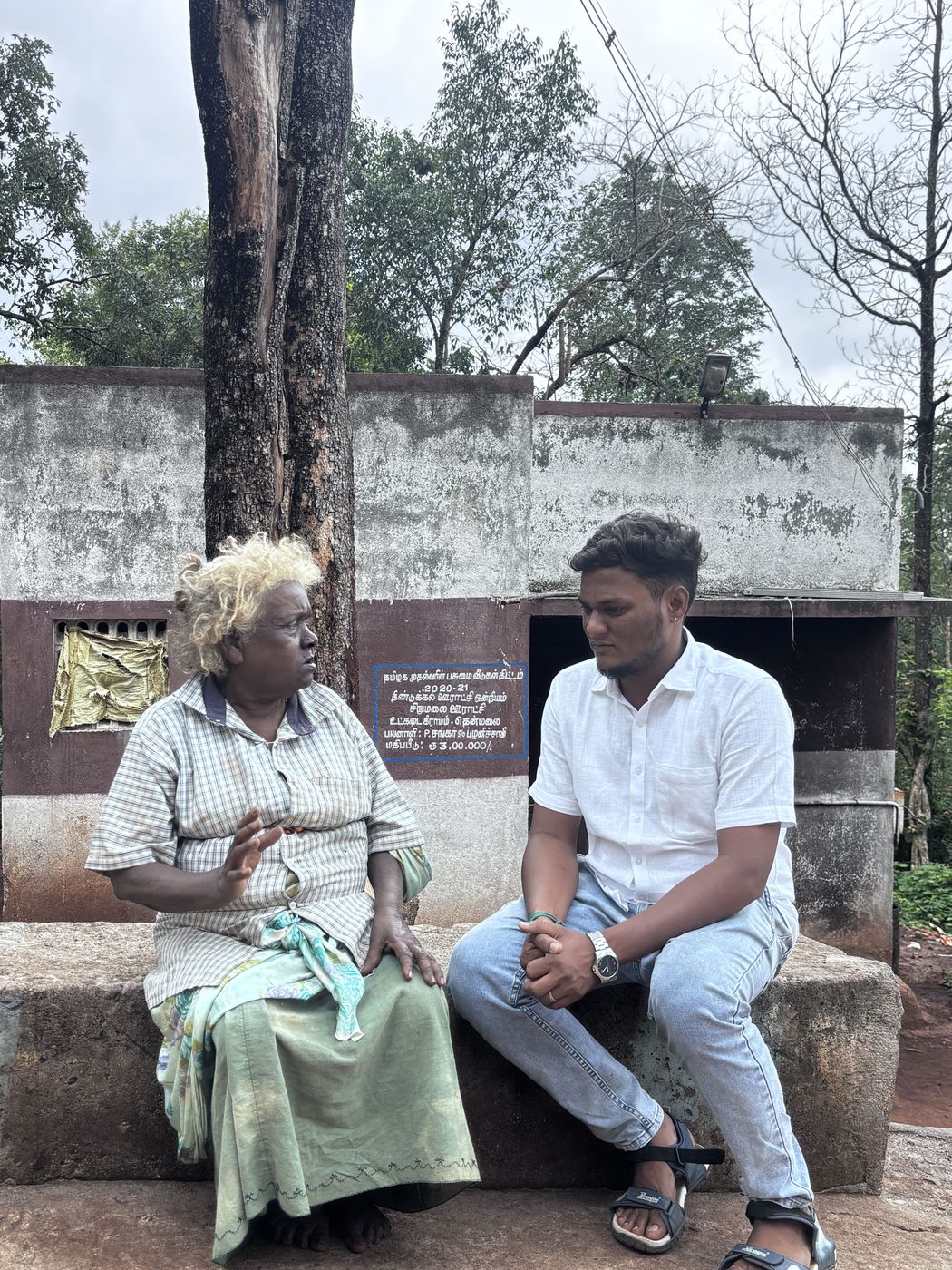
We listen to people, communities and the realities in which they live.
Recognize
We identify the strengths, knowledge, skills, resources and relationships that already exist.
Co-Design
We work with communities rather than simply designing solutions for them.
Strengthen
We build upon and support the identified strengths so they can become more resilient.
Connect
We create connections between people, knowledge, skills, resources, markets and opportunities.
Sustain
We seek to create systems and relationships that can continue beyond an individual intervention.
Learn
We observe, learn, adapt and allow what we discover through each experience to shape what comes next.
Build from What Is Already There
Nilam believes that resilient futures do not always have to begin with something new. They can begin with what is already there.
- Knowledge that has been passed down
- Skills shaped by generations of practice
- Relationships with animals, land and natural resources
- Ways of living and working that have evolved with a particular place
Our role is not to replace these strengths, but to recognise them, strengthen them and explore how they can create new possibilities for livelihoods and communities.
Recognising What Already Exists
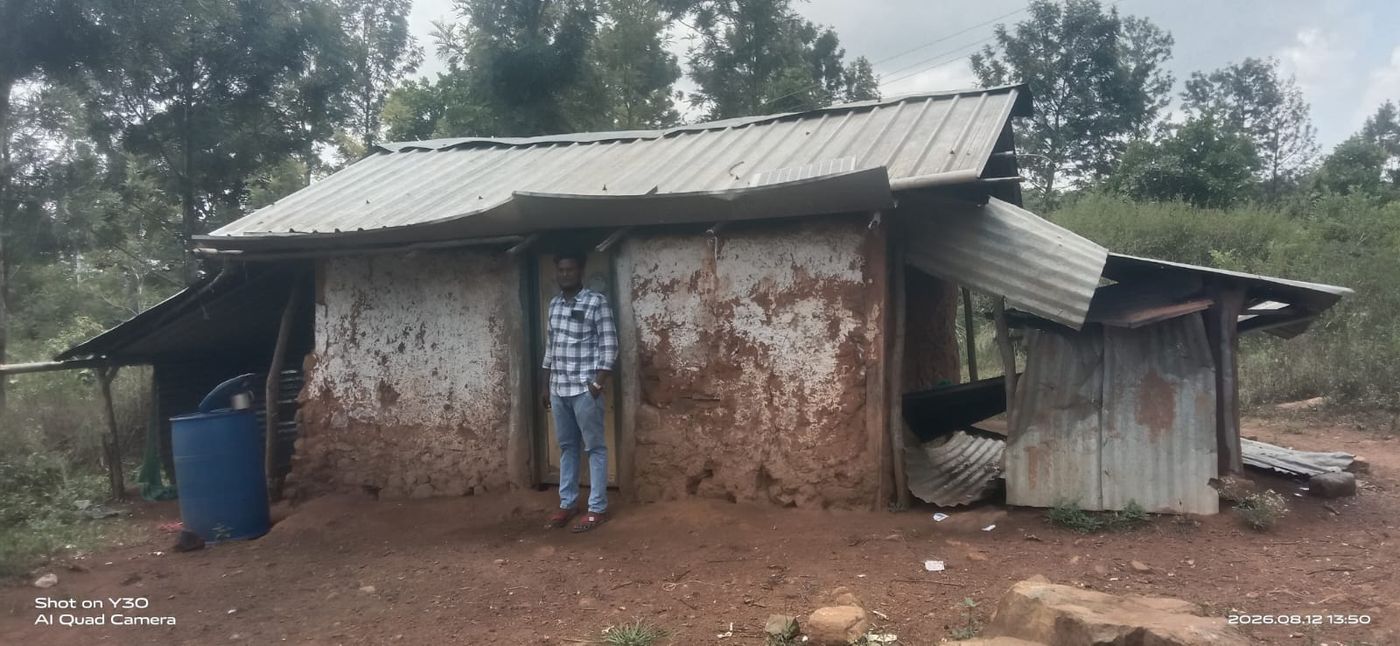
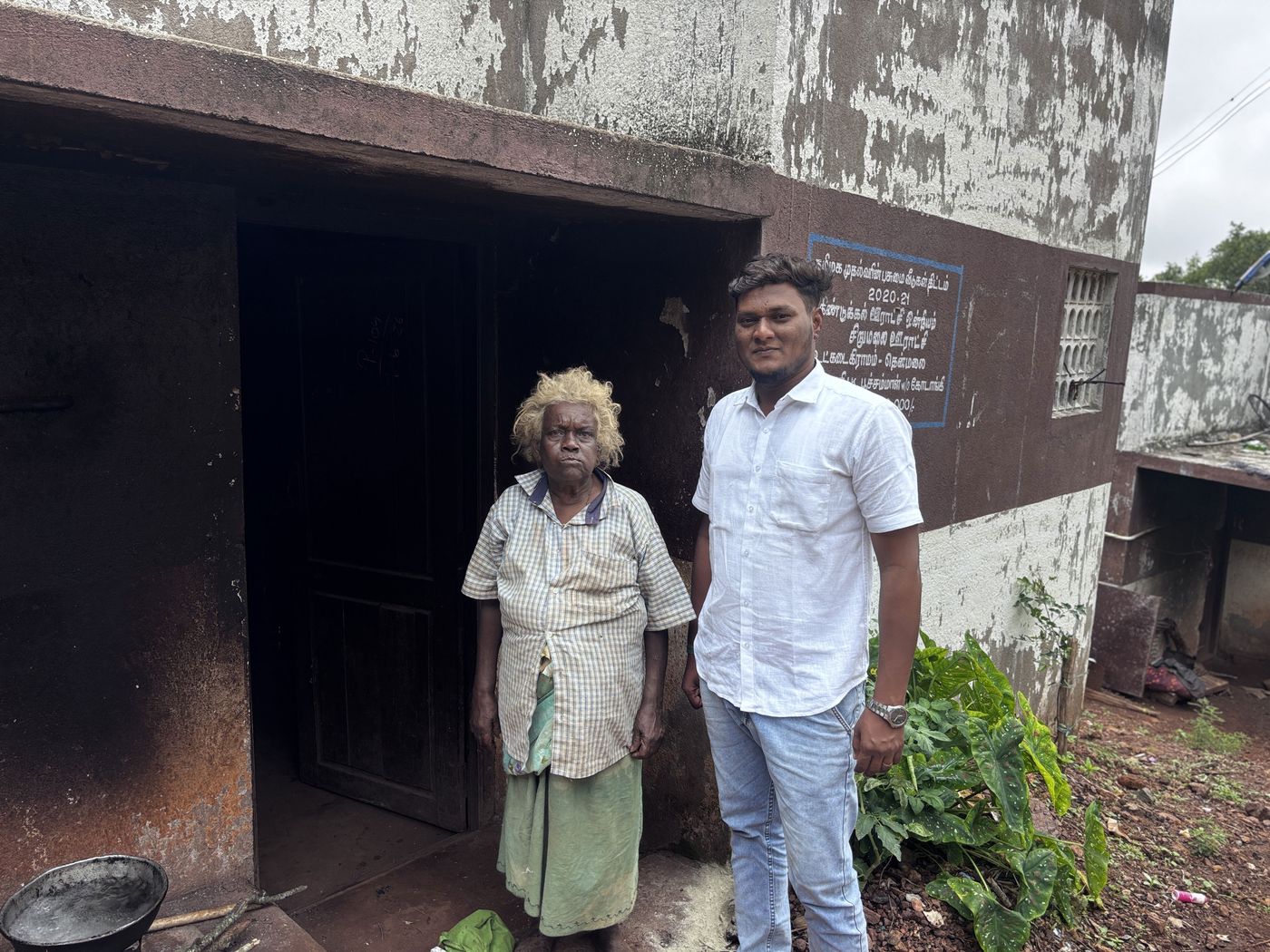
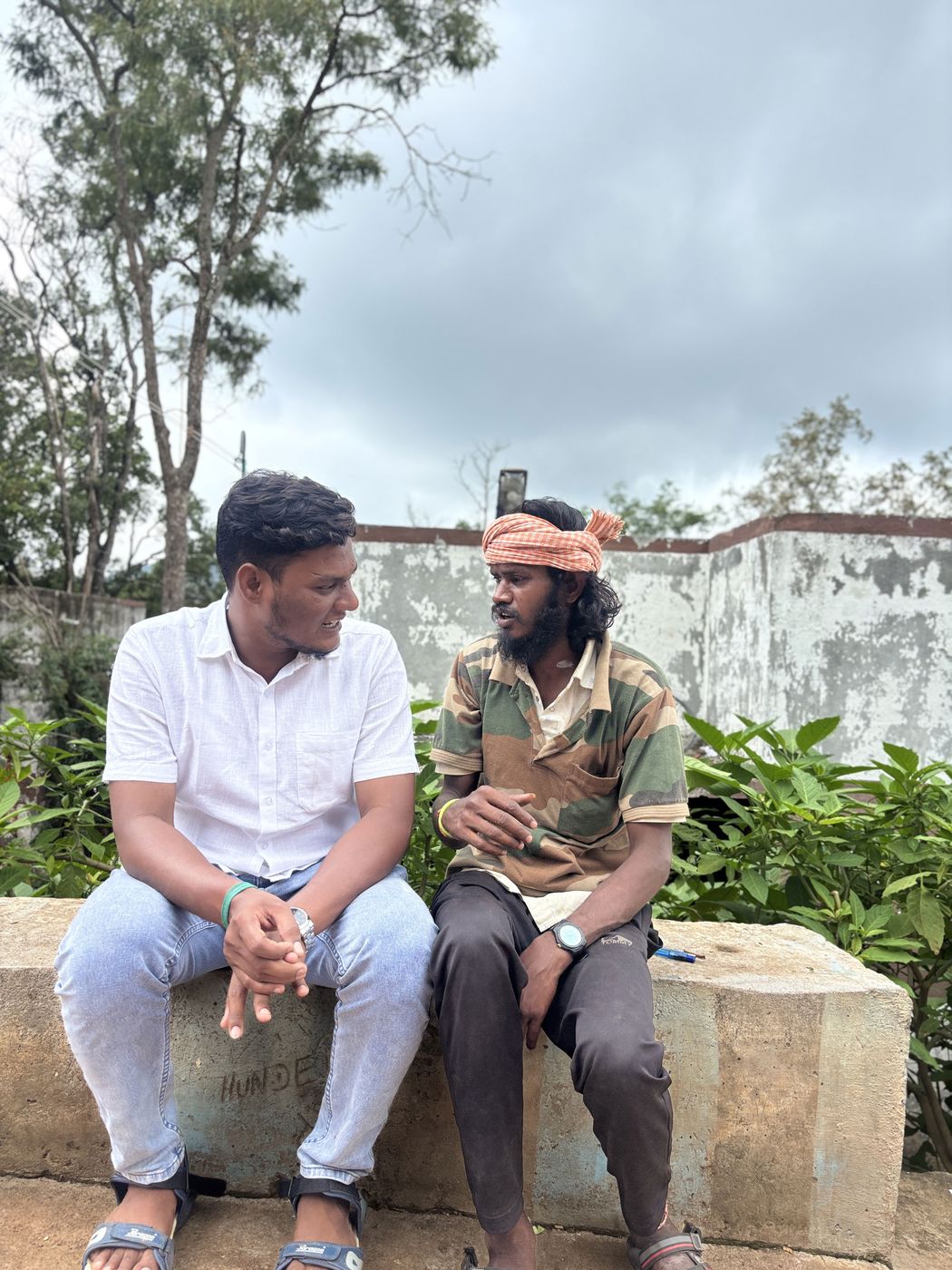
We encountered communities with existing knowledge of cattle rearing, an understanding of their natural surroundings and access to feed possibilities within their own environment. What we saw was not an absence of capability, but a set of existing strengths that could become part of something larger.
Instead of asking what a community needs to be given, we began asking:
- What already exists here?
- What knowledge can be recognised?
- What skills can be strengthened?
- What resources can be used more effectively?
- What relationships can create new opportunities?
From Knowledge to Livelihoods
Knowledge by itself does not always become a livelihood. It needs to be recognized, strengthened, applied and connected to opportunity.
- SkillA traditional skill may become a product
- ResourceA community resource may support an enterprise
- KnowledgeExisting livestock knowledge may contribute to a household livelihood
- MarketA locally rooted product may find a new market
The aim is not to create dependence, but to strengthen what can continue to grow within the community.
What We Support
Nilam's work is developing around the interconnected relationship between people, livestock, land, knowledge and livelihoods.
Livestock
Exploring how cattle can be part of household and community livelihoods.
Agriculture
Building on the relationship between livestock, natural resources, soil, fodder and agricultural systems.
Indigenous Knowledge
Recognising knowledge shaped by generations of experience and exploring where it can find relevance in the present.
Skills
Identifying practical and traditional skills that can be strengthened, adapted and connected to new opportunities.
Livelihoods
Looking at how existing capabilities and resources can contribute to stronger and more resilient household livelihoods.
Enterprise & Market Connections
Exploring pathways through which community capabilities, products and services can connect with appropriate markets.
Community Led Development
We believe development works best when communities are part of shaping what comes next. Every community brings a different combination of knowledge, resources, relationships and aspirations. The role of Nilam is to listen, learn, adapt and build from what each context presents.
Not development imposed from outside, but possibility built from within.
For Nilam, resilient livelihoods are not only about creating income. They are about creating possibilities for people to build futures while remaining connected to the knowledge, relationships, resources and identities that have shaped them.
Vision
Self-reliant and culturally rooted future where indigenous and marginalised communities across all lands prosper through sustainable livelihoods, dignity, and harmony with nature and other living beings — preserving traditional knowledge while standing united as socially and economically empowered people in solidarity with indigenous communities everywhere.
Mission
To empower indigenous and marginalised communities by rolling out women-led enterprises, setting up fair markets for indigenous products, bringing back traditional crafts, and carrying out holistic wellbeing programmes.
We build a non-violent, circular economy that looks after people, and other living beings, and ecology — holding on to traditional knowledge and standing up for dignity across all lands.
Board of Trustees

Mr. V. Sujithkumar
Founder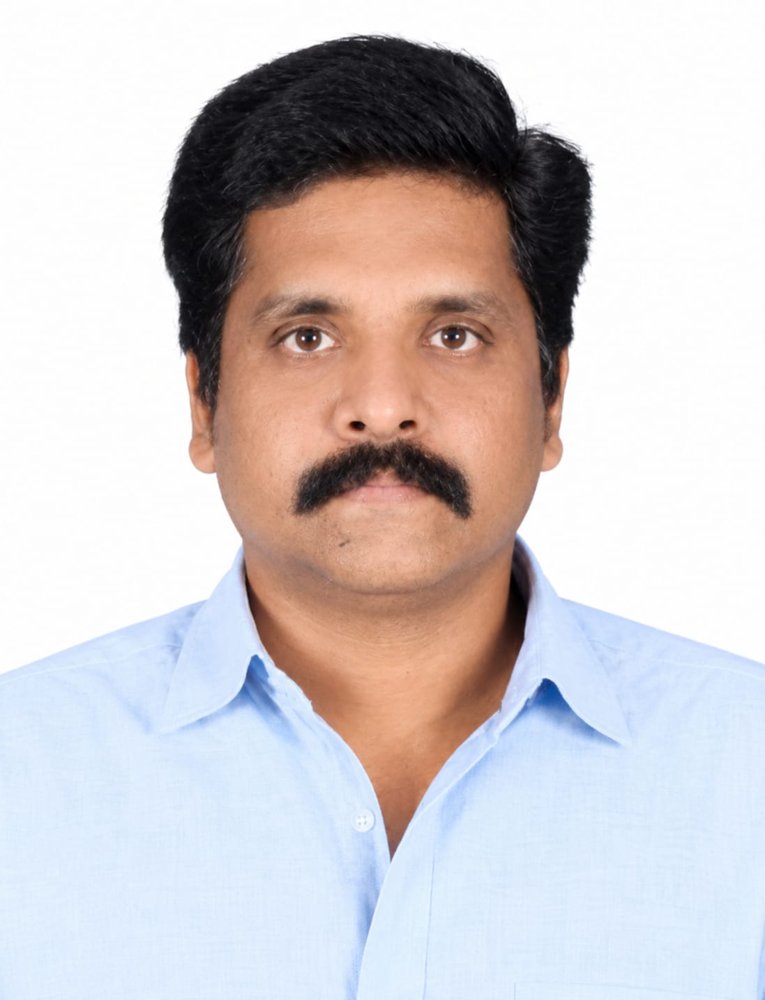
Mr. R. Ashoukkumar
Trustee - Finance